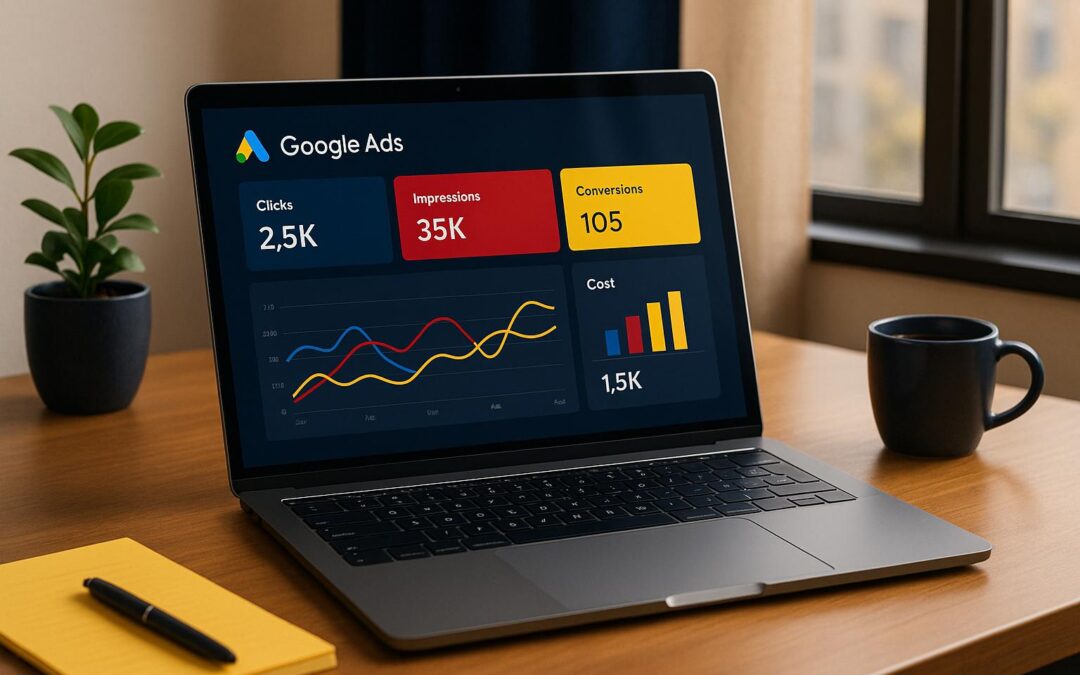
Managing Google Ads campaigns can be complex, especially for small and medium-sized businesses (SMBs). A Google Ads agency specializes in creating and optimizing campaigns to maximize your return on investment (ROI) while saving you time and money. Here’s why partnering with an agency makes sense:
Expertise: Agencies stay updated on Google’s algorithms and policies, ensuring your campaigns meet best practices.
Cost Efficiency: Hiring an in-house specialist costs $70,000–$120,000 annually, while agencies provide affordable expertise tailored to your budget.
Better Results: Agencies use advanced tools, data-driven strategies, and continuous optimization to improve ROI – Google Ads can deliver $2 in revenue for every $1 spent when managed effectively.
Time Savings: Outsourcing eliminates the steep learning curve and frees up your team to focus on core business tasks.
Custom Strategies: Agencies craft personalized campaigns based on your business goals, audience, and industry.
Access to advanced tools like Smart Bidding and AI-driven optimizations.
Tailored strategies for your industry and audience.
Save time and resources by outsourcing campaign management.
Whether you’re new to Google Ads or looking to scale your campaigns, a Google Ads agency can help you achieve better results with less effort.
What To Expect When Hiring A Google Ads Management Agency
Core Services Offered by Google Ads Agencies
Google Ads agencies offer a range of services aimed at helping businesses achieve success with their advertising efforts. By understanding these services, it becomes clear how expert management can turn a basic ad campaign into a powerful marketing tool. These services lay the groundwork for sustained campaign performance.
Campaign Setup and Keyword Research
Every successful Google Ads campaign starts with meticulous setup and well-thought-out keyword research. Agencies dive into your industry, align campaigns with your business objectives, and craft strategies tailored to your goals.
Keyword research goes beyond picking popular terms. Agencies focus on identifying keywords that are not just relevant but also have the potential to drive conversions. They analyze which terms bring clicks versus those that result in meaningful actions, like purchases or inquiries.
During the setup phase, agencies handle the technical side of things: structuring campaigns, organizing ad groups, configuring bidding strategies, and implementing tracking systems. This ensures your campaigns are optimized from day one, avoiding costly errors and maximizing your ad spend.
"A Google Ad agency manages your Google Ad campaigns to help you achieve better results and ROI."
The impact of expert campaign setup is evident in real-world results. For instance, Network Access, a managed service provider, saw a 600% increase in conversions, while Export Import, a logistics company, experienced a staggering 1,200% boost.
Ad Optimization and Performance Tracking
Once your ads are live, the real work begins. Continuous optimization and performance tracking are essential to maintaining and improving results over time. Agencies monitor every aspect of your campaigns to ensure they perform at their best.
A/B testing plays a critical role here. By experimenting with ad copy, calls to action, and value propositions, agencies identify what resonates most with your audience. This data-driven approach eliminates guesswork and ensures budgets are spent on strategies that deliver results.
Performance tracking focuses on actionable metrics, not just surface-level data. Nathan Hawkes, President of Arcane Marketing, highlights this distinction:
"Vanity metrics tend to show some of the ignorance that you see in the industry from time to time. Those who know the difference are able to actually make a difference. For example; a vanity metric might be showing that your Google Ads have a certain percentage of a click-through-rate (CTR). But, an actionable metric might be the actual conversion rate."
Agencies typically perform full account optimizations every month, while making smaller, incremental adjustments daily or weekly. This includes reviewing negative keywords, adjusting bids based on performance, and recommending landing page improvements. For example, Fresh N Clean SWFL increased their conversion rate by 166.67% through targeted audience strategies and refined ad copy. These continuous updates ensure that every dollar spent is working toward maximizing returns.
Budget Management and ROI Maximization
Managing your budget effectively is crucial for turning ad spend into measurable outcomes. Agencies understand that for small and mid-sized businesses (SMBs), every dollar matters.
On average, SMBs spend just over $1,000 per month on Google Ads. Within these limits, agencies prioritize high-performing keywords and campaigns, cut out wasteful spending, and use strategies like location targeting to focus on the most relevant audiences.
Interestingly, targeting lower positions in search results can sometimes yield better returns. While the top spot is appealing, aiming for slightly lower positions often reduces the cost per click while still attracting high-quality traffic.
For example, Brown & Dahan, a family law firm, saw a 31% increase in conversions within a year by working with Pronto Marketing.
"With Pronto, everything we need is in one place, which saves us time, and has resulted in 50% of new business coming from Google-based traffic." – Alex Markov, President, Red Key Solutions
How Google Ads Agencies Drive Business Growth
Google Ads agencies do more than just optimize ROI – they help businesses grow by turning ad campaigns into powerful tools tailored to meet specific needs.
Custom Strategies for Different Industries
Every industry has its own dynamics, and agencies start by analyzing how target audiences behave. For instance, while 65% of users click on Google Ads when they’re ready to buy, the buying journey for someone seeking legal services is vastly different from someone shopping for retail products.
Agencies take proven strategies and adapt them for specific industries, always keeping compliance in mind. This is especially important for small businesses (SMBs), which often deal with fewer clicks and conversions. For SMBs, agencies focus on techniques like exact match keywords and branded search campaigns, often using manual bidding to keep costs under control. Some agencies even specialize in certain industries, giving them deeper knowledge of rules, seasonal trends, and customer behavior.
Once strategies are in place, agencies use advanced tools to take performance to the next level.
Using Advanced Tools and Technologies
Agencies bring cutting-edge tools and automation into play, tools many businesses either don’t have access to or don’t know how to use effectively. Take automated bidding, for example – over 80% of Google advertisers use it. Agencies rely on systems like these to deliver better results.
One standout tool is Smart Bidding, powered by Google AI. It fine-tunes bids for every auction based on specific goals. A switch from a Target CPA to a Target ROAS strategy can lead to 14% more conversion value while maintaining a similar return on ad spend.
Rachel Corak, Associate Director of SEM at HawkSEM, highlights why this matters:
"Using an effective bid strategy is key to running a well-optimized campaign. Understanding the nuances between bid strategies and when to apply them can make all the difference in maximizing ROI."
Beyond bidding, agencies use specialized tools for everything from campaign creation and keyword targeting to AI-driven ad copy and real-time tracking. These tools can make a huge difference: click-through rates (CTR) can increase by up to 60%, and conversions can jump by 50% with sharper ad copy. Advanced analytics platforms also help agencies track metrics like CTR, conversion rates, and ROI with much greater accuracy than standard Google Ads reporting.
Choosing the Right Google Ads Agency
Once you understand how expert Google Ads management can fuel business growth, the next step is finding the right agency to partner with. With Google commanding a massive 73.1% of the search advertising market, it’s crucial to select an agency that knows how to navigate this competitive space effectively. Leveraging proven strategies is only part of the equation; choosing the right partner is equally important.
Key Traits of a Reliable Google Ads Agency
When evaluating potential agencies, look for these essential qualities:
Certifications: Agencies with Google Ads certifications, such as Google Partner or Premier Partner status, show they meet Google’s standards and have proven expertise.
Experience and Results: A history of success backed by case studies and relevant industry experience is a must. Ask for examples that demonstrate measurable results in your specific industry.
Transparency: A trustworthy agency will provide clear pricing, detailed budget allocation, and performance reports. They’ll also ensure you have full access to your account and spending data.
Customized Strategies: The best agencies develop tailored strategies based on your business goals and audience, rather than offering cookie-cutter solutions. Consistent and clear communication is also key.
Data-Driven Approach: With Google updating its marketing algorithms an average of 13 times per day, agencies need a proactive approach that relies on data analysis, A/B testing, and ongoing campaign optimization.
Comprehensive Services: Look for agencies that handle everything from keyword research and ad copywriting to landing page optimization and conversion tracking.
Accountability and Flexibility: A reliable agency takes responsibility for its work, operates with integrity, and adapts strategies as market conditions change.
These traits are essential for maximizing your return on investment and ensuring your campaigns are as effective as possible. Make sure the agency’s strengths align with your business needs before making a decision.
Questions to Ask Before Hiring
To gauge whether an agency is the right fit, ask these critical questions:
Can you share case studies from businesses in my industry?
How do you approach keyword research, bid management, ad group structuring, and staying updated on Google Ads changes?
What roles does your team handle, and do you offer daily account management?
How often will I receive reports, and what format will they be in? Can we discuss strategy regularly?
Will I have full administrative access to my Google Ads account?
Can you provide references or anonymized data from past campaigns to verify your performance?
These questions will help you assess the agency’s expertise and ensure they can effectively manage your campaigns.
Understanding Pricing Models
Google Ads agencies typically use one of several pricing models, depending on your budget and goals:
Percentage of Ad Spend: The agency charges a percentage of your monthly ad budget, aligning their success with your campaign’s performance.
Flat Monthly Fees: These range from $200 to $4,000 per month, with most plans falling between $500 and $2,000. This model is ideal for businesses with smaller, predictable budgets.
Outcome-Based Pricing: Agencies charge based on specific results, such as conversions, making this a good option if you have clear, measurable goals.
Hourly Billing: Some agencies charge for the actual hours spent managing your account, which works well for fixed tasks or limited service needs.
On average, agencies charge around $3,000 per month, though this can vary based on your ad budget, campaign complexity, and additional services. Small- and medium-sized businesses often start with monthly budgets between $1,000 and $2,500. For businesses heavily reliant on Google Ads, allocating 4-7% of revenue to advertising is common. Keep in mind, more complex campaigns may require higher management fees.
sbb-itb-8d6282e
Maximizing Your Partnership with a Google Ads Agency
Getting the most out of your partnership with a Google Ads agency requires more than just signing a contract. It’s about building a collaborative relationship rooted in shared insights and mutual effort. When both parties work together effectively, campaigns are more likely to hit their targets and deliver stronger returns.
Setting Clear Goals and Expectations
The foundation of any successful partnership is clarity. Broad goals like "get more customers" or "increase revenue" are too vague to guide an effective strategy. Instead, break these down into specific, measurable targets. For example, you might aim to boost monthly recurring revenue by 20% in Q3 or secure 100 booked consultations each month. These concrete benchmarks give your agency a clear direction and make it easier to track progress.
"When we begin working with a client, we always make sure we understand their business goals first. This can sometimes be tough, especially if the goal is to ‘increase revenue’ or ‘get new clients.’ It’s important to get really clear and specific so that everyone is on the same page about what success looks like." – Kerrie Luginbill, Chief Strategy Officer and Partner, OTM
A helpful framework for setting these goals is SMART – Specific, Measurable, Achievable, Realistic, and Time-bound. For instance, an ecommerce company might aim to increase customer lifetime value by 15% over the next six months, while a local business could focus on generating 100 consultation bookings per month through improved engagement on their Google Business Profile.
Aligning your Google Ads goals with your overarching business strategy is equally important. Share insights like annual revenue targets, seasonal trends, and key performance indicators (KPIs) with your agency. This ensures your ad campaigns are working in harmony with your broader objectives.
"It’s important to set appropriate metrics or it may be impossible to see how Google Ads is helping you achieve your larger goals as a company. By setting goals using Google Ads that are consistent with your high-level business goals you are putting your company in a position to succeed." – Ian Dawson, Shah
Don’t set your goals in stone – review them quarterly. Business conditions change, and your advertising strategy should adapt accordingly. Regular check-ins with your agency allow you to adjust targets based on market trends and campaign performance.
Providing Business Insights
To help your agency deliver results, you need to provide them with actionable insights about your business. The more they know, the better they can tailor strategies to meet your goals.
Share historical performance data. If your sales peak during certain months or drop seasonally, let your agency know. This allows them to optimize bidding strategies and allocate budgets effectively. For example, in the UK, festive ads alone drove £85 billion in sales last year.
Provide customer insights. Information about your customers’ pain points, motivations, and buying behaviors helps your agency craft ad copy and targeting strategies that resonate.
Highlight your competitive edge. Explain what sets your business apart – whether it’s pricing, product quality, or unique services – so your agency can emphasize these strengths in campaigns.
"Agencies should have their finger on the pulse of your industry and be able to offer market trend analysis and forecasting. These insights make it easier for you to develop ad campaigns that capture more market share." – Spencer Flaherty, Internal Marketing Manager, Groove Commerce
Keep your agency informed about key developments, like new product launches, price changes, inventory issues, or shifts in your target audience. Early communication allows them to adjust campaigns proactively. For example, Groove Commerce collaborated with Cordova in 2024 to achieve over a 400% return on ad spend and a 15% increase in revenue by aligning campaigns with these types of insights.
Maintaining a Collaborative Approach
Once you’ve shared your business insights, the next step is to foster a collaborative working relationship. Treat your agency as a partner, not just a vendor. This mindset paves the way for better communication, faster problem-solving, and stronger results.
Set up regular communication. Agree on how often to meet, what to discuss, and which channels to use for updates. Clear communication prevents misunderstandings and keeps campaigns on track.
Designate a point person. Assign someone from your team to manage the agency relationship. This ensures that feedback, approvals, and updates are handled efficiently.
Provide actionable feedback. Be specific about what’s working and what isn’t. For example, instead of saying, “The ad isn’t performing,” explain, “We’re seeing fewer clicks from this audience – can we adjust the targeting?” Quick, detailed feedback helps your agency make timely improvements.
"When you treat your marketing agency like a partner, you get projects done quickly, effectively, and on budget." – Elton Mayfield
Celebrate wins and provide constructive criticism. Highlighting what’s working well helps your agency replicate success, while constructive feedback guides future adjustments. Use tools to document goals, deadlines, and deliverables to keep everyone aligned.
Transparency is key. Share challenges like budget constraints or shifting priorities so your agency can adapt their strategies accordingly. Open communication builds trust and strengthens the partnership.
"Strong agency relationships don’t happen by chance. They’re built through open communication, mutual respect, and a clear understanding of who’s doing what. When the partnership runs smoothly, you’ll see better ideas, faster execution, and stronger results." – Courtney Henderson
Lastly, avoid scope creep by discussing changes or new requests before implementing them. If your needs evolve, have an honest conversation about adjusting the partnership structure or pricing.
Conclusion: The Value of Partnering with a Google Ads Agency
Teaming up with a Google Ads agency can be a game-changer for small and medium-sized businesses (SMBs) looking to excel in digital advertising. These agencies bring specialized expertise to the table, helping businesses achieve measurable results that might otherwise be out of reach.
Consider this: 74% of brands view PPC ads as a key driver of business growth, with many planning to increase their budgets. This trend highlights a clear advantage – businesses partnering with agencies often see better outcomes than those managing campaigns on their own. Why? Because professional agencies know how to stretch every dollar to maximize conversions and return on investment (ROI).
Agencies also take the technical burden off your shoulders. They navigate the complexities of campaign management, allowing your team to focus on core business priorities. With access to advanced tools and insights that individual businesses might not have, agencies ensure your campaigns stay aligned with platform updates and industry trends.
And let’s talk costs. While agency fees typically range from $1,000 to $10,000 per month, this investment often pays off. Compared to hiring in-house specialists or running poorly optimized campaigns, agencies deliver efficiency that makes every dollar count. Plus, the collaborative relationship they foster can lead to even greater success.
The real magic happens when businesses set clear goals and maintain open communication with their agency partners. By sharing insights and aligning strategies with specific needs and budgets, agencies can craft campaigns that grow alongside your business and adapt to ever-changing market conditions.
For SMBs looking to thrive in the competitive online space, a Google Ads agency isn’t just a vendor – it’s a strategic partner. With their expertise and tools, they help amplify your digital presence and unlock growth opportunities that might otherwise remain out of reach.
FAQs
How can hiring a Google Ads agency boost my ROI compared to managing campaigns on my own?
Working with a Google Ads agency can be a game-changer for improving your ROI. These agencies bring a team of experts who specialize in areas like campaign setup, keyword research, and ad optimization. Their goal? To make sure every dollar you spend is working hard to connect with the right audience.
On top of that, they keep a close eye on your campaign performance, making adjustments in real time to boost results. Agencies also handle A/B testing, fine-tuning ad copy and targeting – tasks that can be both time-intensive and tricky to manage on your own. By honing in on every detail of your campaigns, a Google Ads agency ensures you get the most out of your advertising budget.
What tools and technologies do Google Ads agencies use to improve ad performance?
Google Ads agencies use a range of tools to fine-tune campaigns and achieve measurable results. Here are a few key ones:
Google Ads Editor: This tool simplifies campaign management by allowing offline editing. It’s especially handy for managing multiple accounts and making bulk changes quickly.
Keyword Planner: A go-to tool for discovering high-performing keywords. It helps agencies target the right audience and boost ad relevance.
Smart Bidding: Powered by AI, this feature automatically adjusts bids to align with campaign goals, whether that’s maximizing conversions or increasing conversion value.
These tools empower agencies to refine their strategies, enhance audience targeting, and drive better ROI for businesses.
How do I choose the best Google Ads agency for my business?
How to Choose the Right Google Ads Agency
Start by pinpointing your specific goals – whether that’s increasing sales, driving leads, or boosting brand awareness. Knowing what you want will help you narrow your search to agencies that excel in those areas.
Next, check for Google Partner or Premier Partner certifications. These badges show that an agency has a proven track record and deep expertise with Google Ads. Dive into their experience by reading client testimonials or reviewing case studies, especially for businesses in your industry or a similar field.
When speaking with potential agencies, ask about their approach to campaigns. How do they handle keyword research? What’s their process for creating effective ads? Do they optimize landing pages? Also, ensure they provide transparent reporting with regular updates on campaign performance.
By focusing on these elements, you’ll be better equipped to find an agency that aligns with your goals and delivers the results you’re looking for.
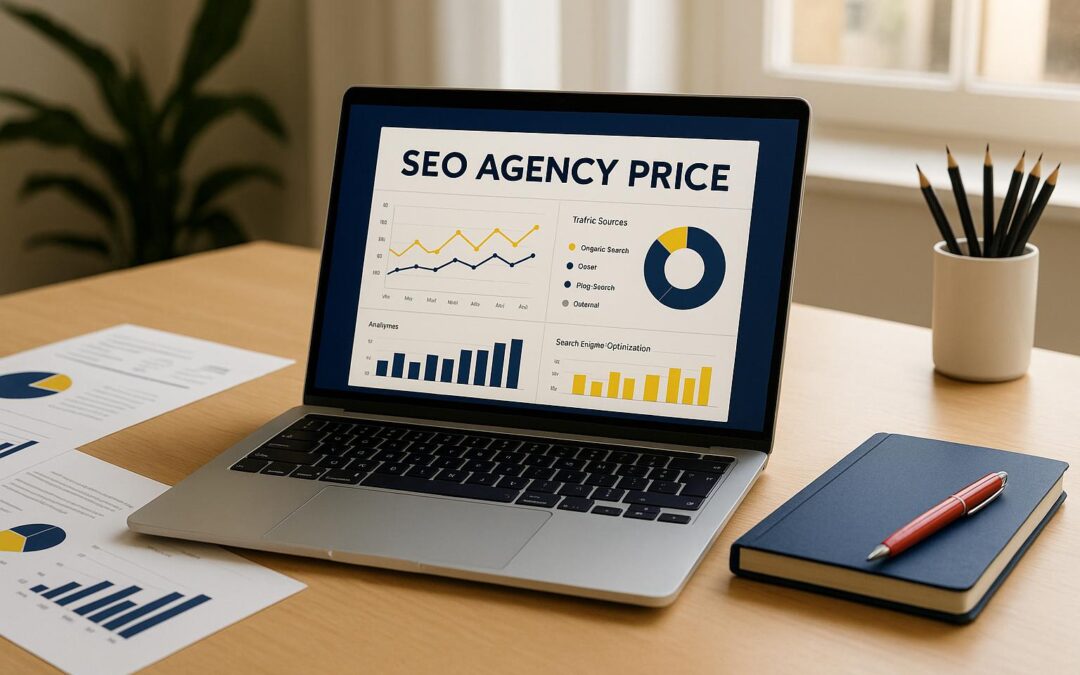
SEO services typically cost between $1,500 and $5,000 per month, but rates can range from as low as $100 to over $30,000 depending on your needs. Here’s a breakdown of the most common pricing models:
Hourly Rates: $100–$300/hour, ideal for short-term tasks or consultations.
Project-Based Pricing: $1,000–$5,000+ for specific deliverables like audits or campaigns.
Monthly Retainers: $500–$10,000/month for ongoing SEO and long-term growth.
Factors that influence pricing include business size, project scope, agency expertise, and location. For example:
Startups: $750–$1,500/month
Small businesses: $1,500–$3,000/month
Medium businesses: $1,500–$5,000/month
Agencies charge about 30% more than freelancers, and U.S.-based services are 3–5 times more expensive than those in emerging markets.
Pricing Model
Cost Range
Best For
Hourly
$100–$300/hour
Short-term tasks, consulting
Project-Based
$1,000–$5,000+
Specific, one-time deliverables
Monthly Retainer
$500–$10,000/month
Long-term SEO growth
SEO is a long-term investment, with most businesses allocating 5–10% of their marketing budget to it. Choose the pricing model that best fits your goals and budget.
SEO Pricing Cost Guide 2025
1. Hourly Pricing
Hourly pricing is all about paying for the exact time spent on your SEO tasks. It’s a flexible option that works well for short-term, targeted needs.
Cost Range
The cost of SEO services by the hour can vary widely, depending on the provider’s experience and specialization. Most agencies charge between $100 and $149 per hour, with the average hovering around $115.61 per hour, according to an analysis of 350 SEO agencies. However, these rates can climb higher for seasoned experts.
Here’s a breakdown based on experience:
Entry-level professionals (1–3 years): Below $50 per hour
Mid-level professionals (4–6 years): $50–$100 per hour
Senior experts (7+ years): $101–$150 per hour
Veterans with extensive expertise: Over $150 per hour
On average, hourly rates increase by $15–$25 for each additional year of experience, up to the 10-year mark. Local market factors, such as higher costs in the U.S., can also influence these figures.
The type of SEO service also impacts pricing. For example, SEO content creation and local SEO services generally fall in the $100–$149 per hour range. Meanwhile, services like link building, technical SEO, and on-page optimization often come in lower, around $25–$49 per hour.
Best Use Cases
Hourly pricing is ideal for businesses that need expert help with specific tasks rather than ongoing, full-scale SEO management. Here are a few examples:
Technical SEO audits: Perfect for diagnosing crawling issues or fixing site architecture problems.
Strategy consultations: Great if you need an expert to review your SEO plan, pinpoint gaps, or provide actionable recommendations for your team.
Short-term tasks: Activities like keyword research, competitor analysis, or team training can be handled efficiently on an hourly basis.
This model shines when your needs are focused and well-defined, allowing you to tap into professional expertise without committing to long-term engagements.
Client Commitment Level
One of the biggest advantages of hourly pricing is its low commitment. It’s a great way for businesses to test the waters with SEO services. For example, you could hire an agency or freelancer for 10–20 hours of work to evaluate their skills before deciding on a deeper partnership.
That said, this model has its limitations. Without a consistent strategy, hourly pricing may lead to fragmented efforts and unpredictable costs. Additionally, clients may sometimes question the time billed for specific tasks, as noted by Mary Carroll, Managing Director of Partnerships at Archer Education:
"A drawback to this pricing model is it can open up an avenue for clients to begin scrutinizing the amount of time billed for certain work. Many times, this can be solved with some additional client education, but that will depend on the client-agency relationship." – Mary Carroll
Hourly pricing works best when your SEO needs are specific and limited in scope, rather than aiming for broad, long-term growth. Up next, we’ll dive into project-based pricing for more structured campaigns.
2. Project-Based Pricing
Project-based pricing means paying a flat fee for a specific set of SEO tasks, with clearly outlined deliverables and costs. This approach works best when you have well-defined goals and want a clear understanding of expenses before any work begins. Let’s break down how this pricing model operates and when it’s a good fit.
Cost Range
The cost of project-based SEO depends on the complexity and scope of the work. Unlike hourly rates, which can vary based on time spent, project fees remain steady as long as the scope is clearly defined. Typically, project costs range from $1,000 to $5,000, with the average minimum project costing around $3,500.
Here’s what industry data reveals:
38% of agencies charge $2,501 or more for project-based SEO.
The most common project range (21%) falls between $1,001 and $1,500.
When broken down by time investment, here’s what you might expect:
Small projects (50–100 hours): $5,780–$11,561
Medium projects (100–200 hours): $11,561–$23,122
Large projects (200+ hours): Starting at $23,122
Certain tasks, like technical SEO overhauls or link-building campaigns, often come with higher price tags.
Best Use Cases
This pricing model shines when you have specific SEO needs with clear objectives. It’s especially suited for businesses tackling short-term goals or addressing particular challenges. In fact, 48.9% of businesses prefer project-based SEO for targeted improvements to their websites.
Here are some common scenarios where project-based pricing works well:
Conducting a comprehensive website audit before a redesign
Creating content packages for a product launch
Fixing technical SEO issues during a site migration
Performing competitive analysis for entering a new market
Running focused link-building campaigns
This model allows for short-term engagements, making it a flexible option for businesses with immediate, well-defined needs.
Client Commitment Level
One of the biggest advantages of project-based pricing is that it doesn’t require a long-term commitment. Unlike retainer models, which involve ongoing monthly payments, this approach provides transparency by offering a clear, upfront cost. It’s a great way to manage budgets effectively and avoid surprises.
However, success with this model hinges on having a well-defined scope of work. Clear communication with your SEO partner is key to avoiding scope creep and ensuring all requirements are met without sacrificing quality. Once the project is completed, you’ll need to assess whether additional support is needed for future initiatives.
sbb-itb-8d6282e
3. Monthly Retainer Pricing
When it comes to SEO pricing models, monthly retainers offer the most comprehensive solution. With a fixed monthly fee, businesses gain continuous SEO support tailored to their evolving needs. This approach has become the most popular in the SEO industry because it aligns perfectly with the ongoing nature of search engine optimization work.
As SEO expert Stoney deGeyter explains:
"You can’t just ‘SEO’ your website and be done. It’s a forever moving goal post".
This sentiment underscores why monthly retainers are essential for achieving and maintaining long-term ranking improvements.
Cost Range
The cost of monthly retainers can vary widely depending on the level of service and the time commitment required. On average, SEO retainers start at $1,159.89 per month, with most businesses allocating between $500 and $10,000 monthly.
Here’s a general breakdown of pricing by service tier:
Basic Retainers (10–15 hours/month): $1,159.89 to $1,800
Mid-Tier Retainers (20–25 hours/month): $2,312.20 to $2,890.25
High-Tier Retainers (30–40 hours/month): $3,500 to $4,600+
These tiers reflect the varying levels of service and support, from basic packages for smaller businesses to high-tier options offering more extensive strategies and resources.
While monthly retainers are 138% more expensive than hiring freelancers, they come with the benefit of comprehensive services and dedicated support. The level of investment directly impacts the depth of expertise and the range of services provided.
Best Use Cases
Monthly retainers are ideal for businesses that understand SEO as a continuous effort rather than a one-time project. This model ensures that your website receives regular updates and optimizations to stay competitive in search rankings. It also provides consistent progress through detailed monthly reports and ongoing adjustments to drive growth.
For growing businesses, retainers offer flexibility to adapt strategies over time. They also help foster long-term relationships with SEO agencies, allowing for a deeper understanding of your business and more personalized, goal-focused services. With predictable monthly costs, businesses can plan their budgets more effectively while benefiting from continuous support.
Client Commitment Level
Unlike project-based pricing, monthly retainers require a long-term commitment and a clear alignment of strategy. This model involves ongoing contracts and a strong understanding of SEO processes, timelines, and their impact on business goals. Active communication and feedback are crucial to ensure the partnership delivers value.
Long-term retainers strengthen trust between businesses and agencies, fostering deeper collaboration and consistent results over time. However, it’s important to define the project scope clearly to ensure the work aligns with your objectives.
To succeed with a monthly retainer, choose a plan that offers detailed reports and continuous support, keeping you informed and engaged throughout the optimization process.
Pros and Cons
Now that we’ve explored the pricing structures, let’s break down the advantages and challenges of each SEO pricing model.
Every pricing approach comes with its own strengths and trade-offs, depending on your goals and how you prefer to manage costs.
Hourly pricing offers flexibility, making it ideal for short-term tasks or testing out different agencies. However, costs can quickly add up and may become unpredictable. As Sam Yadegar, CEO of HawkSEM, explains:
"Hourly rates are calculated based on years of experience, specific case studies, and industry-specific knowledge. Typically, a generalist will charge less, but a pro who is more hyper-focused in a specific industry would charge more."
Project-based pricing stands out for its upfront transparency. Clients know exactly what they’re paying for, which simplifies budgeting. However, any changes to the project’s scope might lead to renegotiations. Danni Roseman, Brand Marketer at Surfer, highlights this model’s clarity:
"Transparency: Clients know exactly what they’re paying for, so billing isn’t confusing", and "Predictability: Clients know the cost upfront so that they can distribute their budget accordingly."
Monthly retainers strike a balance between ongoing support and predictable budgeting. This model is especially appealing for businesses aiming for long-term SEO growth. As Sam Yadegar puts it:
"This is a smart model because it helps brands rely on a fixed cost while several deliverables are being met. SEO has many moving parts, so a consistent flat fee helps with budgeting and predictable results."
While retainers often require a higher investment and longer commitment, they ensure consistent support for evolving SEO needs.
Pricing Model
Cost Range
Flexibility
Predictability
Best For
Hourly
$75 – $100 per hour
High
Low
Small projects, consulting, testing agencies
Project-Based
$1,000 – $5,000
Low
High
Specific tasks, audits, one-time initiatives
Monthly Retainer
$1,000 – $2,500 per month
Medium
Medium
Ongoing SEO, long-term growth strategies
This table offers a quick snapshot of how each model compares, helping you decide which aligns with your needs.
For context, 68% of businesses spend between $500 and $7,500 monthly on SEO, while 70% allocate $500 to $5,000 per project. These figures highlight a preference for structured, predictable investments.
If you’re working with a tighter budget or need help with specific tasks, hourly or project-based pricing can provide expert support without a huge commitment. On the other hand, businesses focused on sustained growth often lean toward retainers for their ongoing benefits.
Conclusion
Choosing the right SEO pricing model – whether hourly, project-based, or monthly retainer – depends on your business needs, budget, and long-term goals.
Your SEO objectives should guide this decision. Are you looking to resolve technical issues, boost keyword rankings, or implement a long-term strategy? Keep in mind, SEO is not a one-and-done task. It’s an ongoing process, which is why many businesses find that retainer-based relationships often deliver more value over time compared to one-time fixes.
On average, businesses allocate between $500 and $7,500 monthly for SEO, representing about 6% to 15% of their marketing budgets. Achieving quality results requires time, expertise, and resources, so it’s crucial to invest accordingly.
The right pricing model also depends on your timeline and in-house capabilities. Hourly rates work well for short-term tasks. Project-based fees offer predictable costs for clearly defined projects. But if you’re aiming for steady growth and lack internal SEO expertise, monthly retainers – ranging from $500 to over $20,000 per month – can provide the ongoing support and strategic insight needed.
Before committing, consider the potential return on investment (ROI). Some businesses have reported ROI as high as 1,389% over three years, with most breaking even within 6 to 15 months. To ensure you’re on track, monitor key performance indicators like organic traffic, conversions, and revenue.
Ultimately, successful SEO investments align pricing models with business objectives. For small businesses, starting with project-based work can be a good way to test an agency’s capabilities. Larger, established companies often benefit from the consistency and strategic depth that monthly retainers offer in competitive markets.
Take the time to evaluate your goals and resources to choose the pricing model that sets your business up for long-term success.
FAQs
What’s the best SEO pricing model for my business?
Choosing the right SEO pricing model hinges on your business goals, budget, and the specific services you’re after. Here’s a breakdown of the most common options:
Hourly rates: Perfect if you need flexibility or short-term consulting support.
Monthly retainers: A solid choice for businesses looking for ongoing support and long-term SEO strategies.
Project-based fees: Ideal for one-off tasks or clearly defined projects.
Performance-based pricing: Ties costs directly to measurable outcomes, like improved rankings or traffic.
When deciding, think about the scope of your SEO requirements, how complex your industry is, and what results you’re aiming for. It’s also important to assess the agency’s expertise and whether their services align with your goals. This way, you can ensure your investment matches both your needs and budget.
What are the pros and cons of hiring a U.S.-based SEO agency versus one from an emerging market?
Hiring a U.S.-based SEO agency comes with some clear perks. These agencies bring a deep understanding of the local market, insight into American consumer behavior, and expertise in U.S. regulations. Plus, they often rely on cutting-edge tools and technology to craft SEO strategies specifically designed for U.S. businesses. That said, these benefits usually come with a higher price tag, as U.S. agencies tend to charge more than their counterparts in emerging markets.
On the flip side, agencies from emerging markets can offer more budget-friendly services while still providing access to skilled professionals. This makes them an attractive option for businesses looking to keep costs down. However, they might not have the same level of familiarity with the U.S. market or the resources to deliver strategies as tailored to American businesses, which could affect the overall impact of their work.
In the end, your choice comes down to your priorities. If your focus is on gaining a strong foothold in the U.S. market and achieving localized results, investing in a U.S.-based agency could pay off. But if affordability is a top concern, agencies in emerging markets can still deliver effective results without breaking the bank.
How can I track the ROI of my SEO efforts, and which key metrics should I focus on?
To figure out the ROI of your SEO efforts, use this formula: (Revenue from SEO - Cost of SEO) / Cost of SEO x 100. The result gives you a percentage that reflects how much financial return you’re getting for every dollar spent on SEO.
Pay attention to these key metrics:
Organic traffic: This tracks how many visitors land on your site through search engines.
Conversion rates: This measures the percentage of those visitors who take meaningful actions, like making a purchase or signing up for a service.
Revenue from organic search: This represents the actual income driven by SEO-generated traffic.
It’s also important to keep an eye on keyword rankings and the number of leads or sales directly tied to SEO. When you combine these metrics, you’ll have a solid understanding of how effectively your SEO efforts are supporting your business objectives.
Want more local customers? SEO is the key. Nearly 46% of online searches are for local businesses, and 76% of local searchers visit a business within a day. In Austin, a city buzzing with tech, startups, and events like SXSW, having a strong online presence is not optional – it’s essential.
On-Page SEO: Improve website elements like titles, meta descriptions, and mobile responsiveness.
Off-Page SEO: Build credibility with backlinks from trusted local sources.
Event-Focused Strategies: Leverage Austin’s festivals like SXSW to target seasonal traffic.
Analytics & Reporting: Track results (traffic, leads, sales) and adjust strategies for better ROI.
Why it matters: The top 5 search results get 67.6% of clicks, and businesses in Google’s local pack earn 44% of total clicks. SEO helps you stand out in Austin’s competitive market.
Pro Tip: Choose an agency with proven results, transparent pricing, and a focus on ROI. Avoid those promising instant rankings or using shady tactics like buying backlinks. SEO is a long-term investment in growth.
Are SEO Agencies Worth It in Austin, TX?
Key Services Offered by Austin SEO Agencies
Austin SEO agencies specialize in boosting your online presence and driving local traffic, helping you connect with customers actively searching for your products or services. They bring together a mix of strategies to create a strong digital footprint that resonates with your audience.
Local SEO Optimization
Local SEO is the cornerstone of digital marketing for businesses in Austin. It’s all about making sure your business shows up when potential customers in your area are searching for services like yours.
A well-maintained Google Business Profile is a must. Did you know that 46% of Google searches are for local information, and 72% of those searchers visit a business within 5 miles? Your Google Business Profile acts as your online storefront, showcasing key details like your address, phone number, hours of operation, and customer reviews. Austin SEO agencies ensure your profile is always accurate, up-to-date, and optimized to attract local customers.
Geo-targeted keyword strategies are another game-changer. Instead of competing for broad terms like "restaurant", Austin agencies focus on specific, local phrases such as "best BBQ in South Austin" or "coffee shop near UT campus." This approach helps you connect with customers who are ready to make a purchase.
Review management is also critical for building trust. With 55% of global consumers relying on reviews before engaging with a business, agencies help you encourage positive feedback and respond professionally to customer reviews. This process not only strengthens your online reputation but also influences the decisions of potential customers.
Additionally, many agencies tailor content to Austin’s local events and communities, creating more opportunities for engagement.
Once local optimization is in place, on-page and off-page SEO strategies take your website’s performance to the next level.
On-Page and Off-Page SEO
On-page SEO focuses on refining elements like title tags, meta descriptions, headers, and mobile responsiveness to align with what users are searching for. At the same time, off-page SEO builds your website’s authority through quality backlinks and community connections.
Technical upgrades are a big part of on-page work. Agencies improve your site’s backend by optimizing URL structures, enhancing site speed, and ensuring your content addresses the specific needs of Austin customers.
Meanwhile, off-page SEO strengthens your site’s credibility. Austin SEO agencies build relationships with reputable local websites, directories, and organizations to secure high-quality backlinks. These links signal to search engines that your business is trustworthy and relevant to the local market.
Local link-building efforts often include partnerships with Austin business associations, sponsorships of community events, or collaborations with local influencers and bloggers. Each link acts as a vote of confidence, improving your search rankings and driving more traffic to your site.
"SEO levels the playing field by improving your website’s search ranking, enabling you to compete with bigger companies on equal footing, even with a modest budget. It provides an affordable method to grow your customer base and increase brand visibility by targeting specific keywords, drawing in visitors who are interested in your products or services. It should be a fundamental part of any Austin-based business’s marketing strategy." – Nate Elliott, VP at BizIQ
These on-page and off-page strategies create a solid foundation for success, which is further enhanced by data-driven insights.
Analytics and Reporting
Data is the backbone of successful SEO campaigns. Austin SEO agencies use advanced analytics tools to monitor your website’s performance, measure campaign results, and uncover areas for improvement.
They track key metrics like keyword rankings, organic traffic, conversion rates, and local visibility, delivering detailed monthly reports that link SEO efforts directly to your ROI.
ROI measurement is especially important. By tracking leads, sales, and customer acquisition costs, agencies show how improved search visibility impacts your bottom line. This data is crucial for making informed decisions about your marketing budget and strategy.
The reporting process also drives continuous improvement. By analyzing what’s working and what isn’t, agencies can tweak strategies, test new ideas, and ensure your SEO efforts stay aligned with your business goals. This iterative approach ensures your campaigns remain effective as search algorithms and market conditions change.
Austin SEO agencies combine technical expertise with in-depth knowledge of the local market, crafting strategies tailored to Austin’s competitive digital space. Their services help local businesses stand out and thrive online.
Austin-Specific SEO Strategies
Taking your SEO efforts to the next level in Austin means tailoring your approach to match the city’s unique vibe and local market dynamics. Austin’s lively personality offers plenty of opportunities to connect with local audiences and improve your online visibility.
Targeting Seasonality and Events
Austin’s jam-packed calendar of events creates prime opportunities for businesses to boost their local presence. Major festivals like South by Southwest (SXSW), Austin City Limits (ACL), the Texas Book Festival, and the Austin Film Festival draw in massive crowds and spike search interest, making them perfect moments for targeted SEO campaigns.
Smart businesses plan their content strategies around these events. For instance:
A restaurant could publish a blog post like "Best Pre-ACL Brunch Spots in Zilker" to attract festival-goers looking for nearby eats.
Hotels might create guides such as "Your Ultimate Guide to Finding Accommodation for SXSW" to help out-of-town guests.
Retailers can appeal to festival fashion needs with posts like "What to Wear to Austin City Limits: Local Style Guide."
Timing is everything – publishing this content well ahead of the events ensures maximum reach and engagement.
Sponsoring local events is another way to boost your SEO efforts. Sponsorships often lead to mentions on local news sites and blogs, which generate high-value backlinks that improve search rankings. While major festivals are a big draw, don’t overlook smaller, quirky events like Eeyore’s Birthday Party, Carnaval Brasileiro, or Juneteenth celebrations. These niche opportunities allow you to connect with specific audiences and capture long-tail search traffic.
Beyond event-based strategies, tapping into Austin’s cultural identity can further strengthen your local SEO game.
Appealing to Austin’s Local Culture
Austin’s "Keep Austin Weird" mantra isn’t just a catchy slogan – it’s a way of life. This unique cultural identity plays a big role in how businesses can stand out online. Incorporating local language, neighborhood-specific references, and community values into your SEO strategy can make a huge difference.
"Austin dances to its own rhythm. The tech boom, the entrepreneurial spirit, the cultural blend – each adds a layer to its digital landscape. By not aligning SEO strategies to these unique dynamics, businesses risk blending into the background." – 2POINT
Understanding Austin’s diverse neighborhoods is key to crafting effective localized content. For example:
South Austin content could highlight its laid-back, artistic vibe.
East Austin posts might focus on trendy dining spots and creative energy.
Downtown Austin strategies should emphasize convenience for business professionals and tourists alike.
Case in point: Austin Tech Hub optimized its Google My Business profile for "co-working spaces Austin" and ranked first. By collaborating with local tech blogs and publishing resources like "Austin Startup Resources," they saw a 45% increase in website traffic within three months, translating into higher foot traffic and new memberships.
Community involvement is another cornerstone of Austin-specific SEO. Locals appreciate businesses that actively support causes and engage with the community. Highlighting partnerships with nonprofits or featuring iconic landmarks like Zilker Park in your content can strengthen your local relevance while building trust and loyalty.
Austin’s mobile-first mindset is another factor to consider. With 67% of Gen Z using Instagram for local discovery, 62% turning to TikTok, and 61% relying on Google, maintaining a consistent, localized message across platforms is crucial. Additionally, online reviews play a huge role, with 93% of consumers saying reviews influence their buying decisions and 90% using them to evaluate local businesses. Managing your online reputation is no longer optional – it’s essential.
Finding the perfect SEO agency in Austin takes more than just a quick search. Since there’s no official certification for SEO expertise, you’ll need to dig deeper than flashy promises to find a partner who can deliver real, measurable results.
Evaluating Agency Expertise and Portfolio
Look for proven results. Trevin S., Vice President of Business Operations at WebFX, highlights this well:
"Past and proven performance is the most important factor, in my mind, when somebody is looking to find an SEO partner".
This means you shouldn’t just take case studies at face value – verify the results. For example, SEOReseller.com reported impressive outcomes for Austin-based businesses. Holi Plants and Vitamins saw a 22% boost in conversion rates, while Ranch and Ride experienced a 14-fold increase in monthly visitors within just two months of starting their SEO campaign.
To validate these claims, use SEO audit tools and check independent reviews on platforms like Trustpilot or Google Reviews. This will give you an unfiltered look at the agency’s track record. Also, ensure they’ve worked with businesses in Austin’s competitive and diverse market.
Since the digital world evolves quickly, prioritize agencies that stay ahead of trends. A solid SEO partner should combine content strategy, user experience improvements, technical expertise, and data-driven insights.
Ask direct questions, such as:
What industries have you worked with?
What specific strategies do you use?
How long before we can expect results?
How much involvement will you need from our team?
Finally, check out the agency’s own online presence. If they can’t rank their own website for relevant keywords, how can they help yours? Look for credentials like Google Premier Partner certifications or industry awards as further proof of their expertise.
Once you’ve assessed their skills, it’s time to evaluate their pricing and how it aligns with your business goals.
Understanding Pricing and ROI
Reputable agencies are upfront about their pricing and provide a clear roadmap for return on investment (ROI). They should outline both short-term actions and a long-term strategy.
Focus on metrics that directly impact your bottom line, like calls, form submissions, and closed leads. Nick Meagher from Icepick Web Design & SEO explains this well:
"We’re really focused on the things that are moving the needle. Tracking calls, form submissions and then trying to tie that back to actually ROI. Like how many of those leads did you actually close? What was the value of those leads?".
Set realistic budget expectations based on your goals and the local Austin market. Think of SEO as an investment in growth. Work with your agency to establish SMART goals – Specific, Measurable, Actionable, Relevant, and Time-bound. Be cautious with contracts too; avoid long-term commitments unless the agency has proven its value, and look for those offering ongoing support and maintenance.
Avoiding Common Pitfalls
Be wary of agencies that make unrealistic promises, like guaranteeing top rankings in a short time or claiming insider knowledge of search engine algorithms. These are often red flags. Agencies that overpromise on quick results typically underdeliver in the long run.
Also, be cautious of any agency touting “special tools” or proprietary software. While tools are helpful, the fundamentals of SEO haven’t changed. Houston Barnett-Gearhart, Director of SEO at Victorious, puts it plainly:
"Start with what works. Traditional keyword research that leverages search volumes, popularity trends, SERP analysis, and the like, is still the most grounded way to understand what the market is actually searching for. It’s not perfect, but it draws a clear line in the sand."
Transparency is key. Your agency should provide regular, detailed reports with clear explanations of what’s being done and why. If they’re vague or secretive about their methods, consider it a warning sign.
Take time to research the agency’s team. Check LinkedIn profiles to verify their experience and tenure. A high turnover rate could signal internal issues that might affect your campaign.
Finally, steer clear of cookie-cutter strategies. Austin’s market is unique, and your SEO approach should reflect that. Ask about their link-building strategies to ensure they avoid black-hat techniques like link farms or buying backlinks, which can lead to penalties. A legitimate agency will focus on earning high-quality backlinks through valuable content and authentic relationships.
sbb-itb-8d6282e
Growth with an Austin SEO Agency
Tapping into proven SEO strategies and local expertise can drive real business growth. Partnering with an Austin-based SEO agency offers opportunities to see measurable results quickly. The stats tell the story: 98% of consumers use the Internet to find local businesses, and many of these searches lead to local action. For businesses in Austin, this means the potential for growth is huge.
Here’s a powerful example: 28% of local searches lead to a purchase within 24 hours. For Austin businesses, this translates into every dollar spent on local SEO potentially yielding immediate returns – whether through increased foot traffic or online sales. And the results can be dramatic. In Q1 2025, Victorious helped a law firm boost its organic traffic by an astonishing 469% using targeted SEO strategies. While outcomes depend on your industry and competition, Austin SEO agencies consistently deliver noticeable improvements in visibility and customer engagement. These results highlight how focused SEO efforts can turn online visibility into tangible business growth.
SEO is also a great equalizer. It allows smaller businesses to compete with larger companies, even on a limited budget. By improving search rankings and targeting specific keywords, businesses can attract visitors who are already interested in their offerings. This makes SEO a cost-effective way to expand your customer base and increase brand awareness.
Why Local Expertise Matters
When it comes to Austin, local expertise is a game-changer. Agencies here understand the city’s unique dynamics – whether it’s seasonal events like SXSW or the thriving tech startup scene. For example, searches like "Austin coffee shops" see 8,500 monthly searches with medium difficulty, "coworking Austin" gets 5,000 searches, and "tech startup services TX" receives 1,200 searches with low competition. These aren’t just numbers; they represent real opportunities to connect with potential customers in Austin’s competitive digital market.
The impact of a local SEO strategy is amplified when it’s paired with a multi-faceted approach. Consider this: 57% of local searches happen on smartphones or tablets, prompting quick decisions. Plus, 92% of users prefer businesses that appear on the first page of local search results. If your business isn’t showing up at the top, you’re likely missing out on customers.
Austin SEO agencies take a comprehensive approach, blending local keyword optimization, Google Business Profile management, content creation, and community engagement. This creates a synergy that drives growth. As Robb Fahrion, Co-Founder and Partner of Flying V Group, puts it:
"We have the ability to identify opportunities for content creation and produce high-quality content on a large scale… Our approach creates a perfect storm for SEO success, covering all necessary aspects across the board."
This kind of integrated strategy doesn’t just deliver immediate traffic; it lays the foundation for long-term success.
Building Long-Term Advantages
The benefits of working with an Austin SEO agency extend far beyond short-term wins. Over time, you’ll see increased visibility, more foot traffic, higher revenue, a stronger online reputation, and enhanced customer loyalty. These gains build on each other, making your initial investment even more worthwhile as your business becomes a trusted name in Austin’s digital ecosystem.
Choosing the right agency – one that understands Austin’s market, provides clear reporting, and focuses on meaningful metrics – can transform your business. The results speak for themselves: more calls, form submissions, and closed deals that directly impact your bottom line.
FAQs
How can SEO help my business stand out in Austin’s competitive market?
Standing Out in Austin’s Competitive Market
If you’re looking to make your business shine in Austin’s bustling market, local SEO should be at the top of your strategy list. A great starting point? Optimize your Google Business Profile. This step ensures your business pops up in local search results and on Google Maps, making it easier for nearby customers to find you.
Another essential move is weaving location-specific keywords into your website content. This makes your site more relevant to local searches. Don’t stop there – building local citations and earning backlinks from trusted Austin-based websites can give your online presence an extra boost.
And remember, connecting with the community is just as important. Get involved in local events and use social media to engage with your audience. These efforts not only increase your visibility but can also drive more foot traffic and online visitors to your business. Together, these strategies can help you grow in Austin’s vibrant market.
What mistakes should I avoid when selecting an SEO agency in Austin?
When picking an SEO agency in Austin, there are a few pitfalls you’ll want to dodge to save both time and money. First, be wary of agencies that promise the moon, like guaranteeing top rankings overnight. These claims often involve shady tactics that could hurt your website in the long run. Second, don’t let price be the only factor in your decision. The cheapest option might cut corners, leading to subpar results that don’t move the needle. Lastly, choose an agency that values transparency and keeps you in the loop. If they don’t provide regular updates or collaborate with you, it’s easy to feel lost and uncertain about your campaign’s progress. Doing your homework and finding an agency that aligns with your goals can set you up for steady, long-term success.
How can local SEO strategies, like focusing on Austin events, help my business stand out online?
Local SEO Strategies for Austin Events
Focusing on Austin-specific events is a smart way to enhance your business’s online presence while connecting with the local community. By targeting event-related keywords, your business can show up in search results when people are searching for activities or services in the area. This approach not only boosts your online visibility but also helps drive more foot traffic to your location.
Being part of local events offers another advantage: it gives you the opportunity to create content that resonates with your audience. This kind of engagement helps strengthen your connection to the community and increases awareness of your brand. Plus, using tools like Google Business Profile to promote your involvement in these events can improve your local search rankings, building trust and expanding your customer base.
Looking for a digital marketing agency nearby? Here’s what you need to know to make the right choice:
Why Local Matters: Local agencies understand your community’s preferences and trends, giving you an edge in targeting nearby customers. They also offer easier face-to-face collaboration and quicker communication.
Key Services Offered: Most agencies handle SEO, Google Ads, social media marketing, content creation, email marketing, and website development. Some, like CS Digitall (Austin-based), also provide CRM setup, inbound marketing, and multilingual support (English, Portuguese, Spanish).
Pricing Models: Monthly retainers are common, ranging from $1,500 to $30,000 depending on services. For smaller budgets, basic SEO or PPC services can start as low as $500/month.
Choosing the Right Fit: Focus on the agency’s strengths in your needed areas, their local expertise, pricing transparency, and how well they communicate.
Quick Comparison
Factor
CS Digitall (Austin)
Other Local Agencies
Service Range
Full suite (SEO, Ads, CRM, content)
Varies widely
Language Support
English, Portuguese, Spanish
Typically English only
Pricing
Custom quotes
Variable (retainers, hourly)
Local Expertise
In-depth Austin market knowledge
Strong regional understanding
Scalability
May be limited by team size
Often constrained
Pro Tip: Before deciding, define your goals (e.g., leads, sales, brand visibility), set a budget, and evaluate the agency’s track record. Look for transparency, relevant experience, and alignment with your business needs.
Based in Austin, CS Digitall has been helping small and medium-sized businesses (SMBs) grow for over seven years, focusing on delivering a strong return on investment through strategies driven by data.
Service Offerings
CS Digitall offers a wide range of digital marketing services, including Google Ads,Meta Ads, SEO, inbound marketing, CRM implementation, website development, content marketing, and photo and video production. Their expertise lies in optimizing the entire sales funnel. Beyond just setting up CRMs, they create systems and train sales teams to maximize results.
Pricing Models
CS Digitall provides custom quotes tailored to each client’s needs. Their Basic Plan covers essentials like Google Ads, Meta Ads, basic SEO, and CRM setup. The Advanced and Premium Plans expand on this, adding inbound marketing, content creation, website development, and photo/video production. This flexible pricing structure ensures that every project is designed to achieve specific ROI goals.
Proximity Benefits
With a local presence in Austin, CS Digitall offers real-time collaboration and face-to-face meetings, which improves communication. This close connection helps them align with client goals and adapt quickly to market changes. Their in-depth knowledge of the Austin market also allows them to craft marketing strategies that truly resonate with the local audience.
Technology Stack
CS Digitall prioritizes using technology to connect businesses with the right audience at the right time. Their tech stack spans various platforms and tools to support services like Google Ads, Meta Ads, SEO, and CRM implementation. They also ensure proper CRM training for clients, focusing on tools that drive consistent lead generation. To serve Texas’s diverse population, they provide support in English, Portuguese, and Spanish. This combination of technical expertise and multilingual support helps them deliver marketing strategies that align with local market needs effectively.
2. Local Digital Marketing Agency X
Local digital marketing agencies provide a wide range of services with the added advantage of personalized support tailored to your specific market.
Service Offerings
Most full-service digital marketing agencies cover a broad spectrum of services, including SEO, content marketing, PPC advertising, email marketing, market research, video production, PR, social media marketing, marketing strategy, and web design & development. These services are designed to align with your marketing goals, sales funnel, and target audience. The focus is on driving organic traffic, generating qualified leads, expanding brand visibility, and enhancing overall marketing performance.
These agencies bring expertise that can fill in the gaps your in-house team may have, offering professional guidance across all digital channels. They also stay up-to-date with the latest trends, tools, and best practices, saving your business the time and resources needed to keep up with the ever-changing digital space.
Now, let’s take a look at how these services are typically priced.
Pricing Models
Digital marketing agencies use a variety of pricing models to fit different budgets and business needs. Common structures include hourly rates, monthly retainers, project-based pricing, performance-based fees, and tiered packages.
The most popular option is the monthly retainer, with costs ranging from $1,500 to $30,000 per month depending on the scope of services. Smaller businesses often spend between $1,500 and $5,000 per month for basic services, while larger companies may allocate $15,000 or more for comprehensive solutions.
Here’s a breakdown of typical pricing for specific services:
SEO services: $500–$7,500 per month
Social media marketing: $100–$5,000 per month
Email marketing: $51–$1,000 per month
PPC management: $501–$3,000 per month
Content marketing: $5,001–$10,000 per month on average
Interestingly, 59% of businesses allocate between $50 and $3,500 per month for digital marketing, while about 12% invest $15,001 to $30,000 per month for more extensive agency partnerships. These pricing ranges can help you evaluate which agency fits your budget and needs.
Proximity Benefits
Partnering with a local digital marketing agency offers unique advantages, especially when it comes to understanding your market. Local agencies can optimize campaigns by analyzing regional customer behavior and preferences. They use location-specific data and insights to create campaigns that resonate with your target audience .
This local expertise, combined with face-to-face collaboration, fosters quicker decision-making and stronger relationships, leading to immediate improvements in campaign performance.
Technology Stack
To deliver their wide array of services, agencies like Agency X rely on advanced technologies. They use tools for tracking, analytics, and mobile optimization to create personalized, location-based campaigns. These campaigns guide leads through the sales funnel and engage audiences effectively.
With this approach, location-based marketing can achieve impressive results, such as click-through rates exceeding 80%. This demonstrates how tailored, data-driven strategies can make a big impact.
sbb-itb-8d6282e
Advantages and Disadvantages
To help you navigate your options, here’s a breakdown of the strengths and challenges of CS Digitall and other local agencies, providing a clearer picture of what each brings to the table.
CS Digitall Benefits
CS Digitall, a digital marketing agency based in Austin, takes a tailored approach that resonates with clients. A striking statistic: 90% of marketers report that personalization enhances business outcomes. Their local presence fosters easier communication, and their all-encompassing service offerings – ranging from Google Ads and Meta Ads to SEO, CRM implementation, website development, and content production – simplify operations by eliminating the need to juggle multiple vendors. Additionally, their multilingual capabilities (English, Portuguese, and Spanish) broaden their reach across Texas’s diverse communities, going beyond the standard English-only campaigns. Being rooted in Austin gives them a strong grasp of the local business environment, regional trends, and customer preferences, enabling them to craft targeted campaigns and respond swiftly when urgency arises.
CS Digitall Limitations
However, like many smaller agencies, CS Digitall faces some hurdles. Limited resources might impact their ability to manage several large-scale campaigns at once, potentially resulting in longer lead times. Their use of custom quotes can make pricing less transparent, and their smaller team size may pose challenges in delivering deep expertise across every digital marketing discipline, particularly when scaling services.
Other Local Agency Benefits
Local agencies, in general, excel at leveraging their community connections to build lasting, accountable partnerships. They often provide cost-effective solutions and maintain flexibility, allowing them to adjust strategies quickly based on real-time feedback or shifts in the market.
Other Local Agency Drawbacks
That said, many local agencies share common limitations. Resource constraints can restrict their ability to manage complex, multi-layered campaigns or compete for larger accounts. Smaller teams may lack specialized knowledge across all areas of digital marketing, and some agencies may not have access to the advanced tools and technologies that larger firms can offer. Ultimately, the best choice depends on aligning an agency’s strengths with your specific goals.
Quick Comparison
Here’s a side-by-side look at CS Digitall and other local agencies to help you weigh your options:
Factor
CS Digitall
Other Local Agencies
Service Range
Comprehensive (Google Ads, Meta Ads, SEO, CRM, Web Development)
Varies widely
Language Support
English, Portuguese, and Spanish
Typically English only
Pricing
Custom quotes
Variable pricing structures
Local Expertise
Deep knowledge of the Austin market
Strong local market understanding
Scalability
May be limited due to team size
Often constrained
Personalization
Face-to-face engagement
Generally personalized approach
Accountability
Built on a strong local reputation
Driven by community relationships
With 83% of small businesses recognizing digital marketing as effective, finding the right partner is essential. Consider how well an agency’s services align with your goals, whether they have a proven track record in your industry, and their expertise in crucial areas like local SEO and PPC management.
Final Thoughts
Selecting a digital marketing agency is all about aligning your business needs with the agency’s expertise. It’s not just about proximity or convenience – it’s about finding a partner who understands your goals and can deliver tangible results.
Start by defining what you want to achieve. Are you aiming to boost brand awareness, generate leads, or increase sales? Having clear objectives will help you narrow down your options and identify agencies with the right strengths.
Budget is another key factor. Local agencies often provide cost-effective solutions due to lower overhead costs, but pricing models can vary. For instance, CS Digitall offers custom quotes based on your specific needs, which requires upfront discussions to clarify costs. Alternatively, some agencies may provide more straightforward pricing structures that better suit your planning preferences.
Once you’ve outlined your goals and budget, take a close look at the agency’s digital presence. Check their Google Business Profile, browse reviews, and evaluate their SEO performance and social media activity. An agency that struggles to market itself might not be the best choice to promote your business.
Arrange meetings with your shortlisted agencies to get a feel for their team dynamics and communication style. Ask about their industry experience, reporting methods, and how they measure success. A good agency will take the time to understand your business and ask thoughtful questions, rather than rushing into a sales pitch. Look for a team that prioritizes your success and is honest about their capabilities.
For small to medium-sized businesses in Austin, local agencies often strike a great balance by combining personalized service with competitive pricing. Whether you choose CS Digitall or another agency that matches your needs better, the key is finding a partner who communicates openly and is focused on delivering results.
Ultimately, your decision will depend on what matters most to you – comprehensive services versus specialization, custom quotes versus clear pricing, or multilingual support for your audience. Compare proposals, check references, and ensure the agency’s approach aligns with your business culture and growth goals.
FAQs
What are the benefits of working with a local digital marketing agency instead of a national one?
Why Choose a Local Digital Marketing Agency?
Working with a local digital marketing agency brings some clear advantages. For starters, they understand your community inside and out. From the local market dynamics to the preferences and quirks of your audience, they can craft marketing strategies that resonate on a personal level. Plus, they’re often tuned into local trends and insights that larger, national agencies might overlook.
Another big perk? The personalized service you get. Being close by means it’s easy to set up face-to-face meetings, build genuine relationships, and communicate without the hassle of time zones or long waits. This proximity also allows for quicker response times and on-the-spot adjustments to your marketing campaigns – something that can make a real difference when you’re trying to hit your business goals.
How can I choose the right pricing model for my business when hiring a digital marketing agency?
Choosing the right pricing model boils down to your business objectives, budget, and the kind of services you’re after. The most common approaches include hourly rates, project-based fees, retainers, and performance-based pricing.
For short-term tasks or one-off projects, hourly or project-based pricing can be a straightforward choice. On the other hand, if you’re looking for ongoing support, a retainer model provides consistency and reliability over time.
Think about how each pricing structure matches your goals. For instance, performance-based pricing ties costs directly to outcomes, which can be a smart move if you’re prioritizing ROI. Take the time to assess your priorities and have an open conversation with the agency. This ensures the pricing model not only aligns with your expectations but also delivers clear value for your investment.
What should I look for when choosing a local digital marketing agency for my business?
When choosing a local digital marketing agency, it’s important to focus on factors that match your business objectives. Start by assessing their skills in critical areas like SEO, Google Ads, social media marketing, and CRM tools – these are the building blocks for achieving meaningful results.
Take a close look at their track record by exploring case studies or client testimonials, especially from businesses in your industry. This can help you gauge their ability to deliver the kind of results you’re looking for.
Lastly, think about their communication approach and how well they grasp your specific market. Working with a nearby agency often means more personalized support and smoother collaboration, making it easier to align their strategies with your goals.
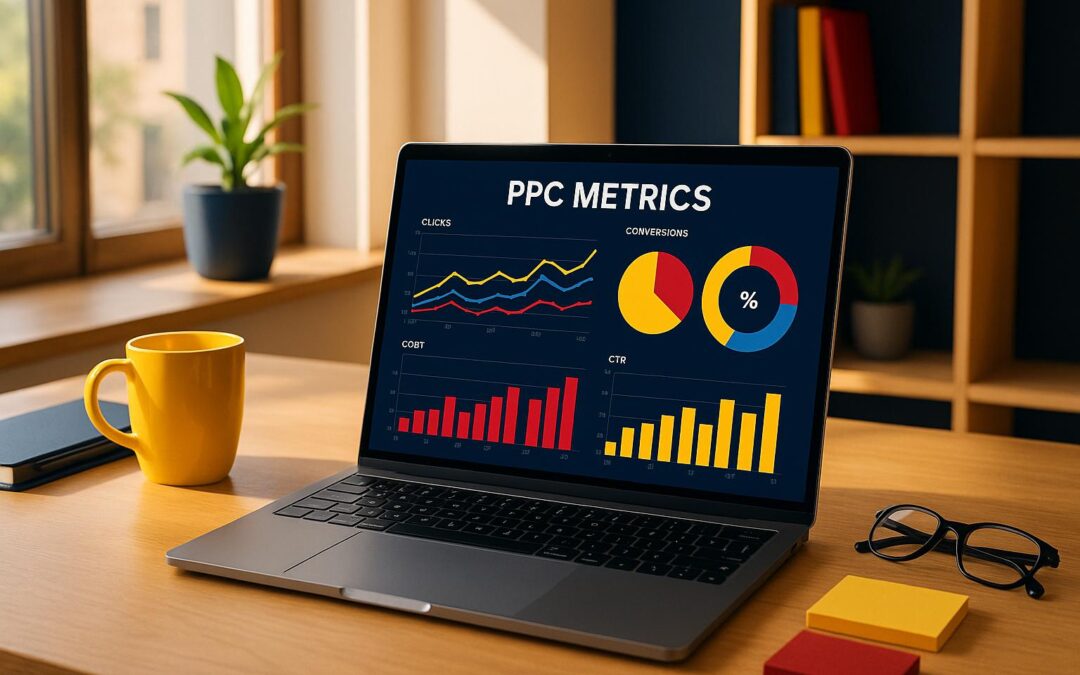
Want better results from your PPC campaigns? Start tracking the right metrics.
Here are the 10 most important PPC metrics you should focus on to boost performance, optimize ad spend, and drive growth:
Click-Through Rate (CTR): Measures how engaging your ad is. Formula: (Clicks ÷ Impressions) × 100.
Cost Per Click (CPC): Tracks how much you pay per click. Formula: Total Cost ÷ Total Clicks.
Conversion Rate: Shows how well clicks turn into actions. Formula: (Conversions ÷ Clicks) × 100.
Cost Per Acquisition (CPA): Calculates how much you spend to gain a customer. Formula: Total Ad Spend ÷ Conversions.
Return on Ad Spend (ROAS): Connects ad spend to revenue. Formula: (Revenue ÷ Ad Spend) × 100.
Quality Score: Google’s 1-10 rating of ad relevance and performance.
Impression Share: Percentage of potential ad views captured. Formula: (Your Impressions ÷ Total Available Impressions) × 100.
Cost Per Incremental Acquisition (CPIA): Tracks the real cost of gaining new customers. Formula: (Campaign Cost - Baseline Cost) ÷ Incremental Conversions.
Customer Lifetime Value (CLV): Measures long-term revenue per customer. Formula: (Avg. Purchase Value × Purchase Frequency × Customer Lifespan) - Acquisition Cost.
Time to Conversion: Tracks how long it takes for users to convert after clicking an ad.
Why These Metrics Matter:
Save budget by identifying underperforming campaigns.
Improve ad relevance and engagement.
Drive targeted traffic and high-quality leads.
Maximize long-term profitability.
Pro Tip: Start with CTR, CPC, and Conversion Rate, then expand to advanced metrics like CLV and ROAS for deeper insights.
Ready to optimize your PPC campaigns? Let’s dive in.
Mastering the PPC Maze: Effective Reporting & KPIs
1. Click-Through Rate (CTR)
Click-Through Rate (CTR) measures how well your ad engages its audience by calculating the percentage of viewers who click on it compared to the total impressions it receives.
CTR Formula:(Number of Clicks ÷ Number of Impressions) × 100
A higher CTR shows your ad is connecting well with its audience, while a lower CTR may point to issues with the ad copy or targeting. Monitoring CTR trends helps you understand how your campaign is performing and where improvements might be needed.
Now, let’s dive into how costs influence your campaign’s success.
2. Cost Per Click (CPC)
CPC, or Cost Per Click, measures how much you pay for each click on your ad. It’s a key metric for managing your ad spend and ensuring your budget is used effectively.
CPC Formula:Total Cost ÷ Total Number of Clicks
Tracking CPC helps you:
Manage your campaign budget
Fine-tune your bidding strategies
Distribute your budget across campaigns
Evaluate performance across various ad groups
For example, if you spend $1,000 and get 500 clicks, your CPC is $2.00. However, actual CPC can vary depending on factors like:
Ad Quality Score: A higher score often means lower CPC.
Keyword Competition: Popular keywords can increase costs.
Ad Relevance: Well-matched ads can help lower CPC.
Time of Day: Costs may rise during peak hours.
Device Targeting: Mobile and desktop placements can have different costs.
To improve your CPC, consider these strategies:
Match your keywords with ad copy and landing pages
Write clear, engaging ad copy with strong calls-to-action
Enhance the user experience on your landing pages
Refine your geographic and demographic targeting
Adjust bids based on performance insights
Up next, we’ll dive into conversion metrics to sharpen your PPC approach even further.
3. Conversion Rate
Conversion rate is the percentage of users who take a desired action after clicking on your ads. It’s a key indicator of how well your campaigns turn clicks into customers.
Formula: Conversion rate = (Conversions ÷ Total Clicks) × 100 For instance, if you get 20 conversions from 500 clicks, your conversion rate is 4%. In 2024, the average conversion rate for US small businesses is about 3.75%, though this can vary significantly depending on the industry and campaign type.
Setting Up Conversion Tracking
To measure your conversion rate accurately, you need to set up tracking properly:
Define the actions you want to track, like purchases or sign-ups, and add tracking pixels or GA4 event codes to confirmation pages.
Use platform tools to test your tracking setup and ensure internal traffic is excluded.
Real-World Success Story
A Texas-based roofing company increased its conversion rate from 2.1% to 5.3% in just 90 days. They achieved this by adding video testimonials to landing pages, using call tracking, and including urgency triggers in their ad copy. These changes significantly lowered their customer acquisition costs.
Factors That Influence Conversion Rates
Several elements can impact how well your campaigns convert:
Landing page speed: Pages should load in under 2 seconds.
Consistent messaging: Ensure your ad copy matches the content on your landing pages.
Mobile optimization: Make sure your site works seamlessly on mobile devices.
Form simplicity: Keep forms short and easy to complete.
Clear calls-to-action: Use direct, engaging language to guide users.
These factors are critical to improving your conversion rates.
Optimization Strategies
Want to boost your conversion rates? Try these tactics:
Run A/B tests to find the best-performing landing page design or copy.
Use segmented audience targeting – remarketing lists often convert 2–3 times better.
Add ad extensions to provide more details and drive clicks.
Make sure your site is mobile-friendly.
Track cross-device conversions to account for all customer interactions.
Quality Score and Conversion Rates
Your ad’s Quality Score can directly impact conversion rates. For example, one business improved its Quality Score from 4 to 7, which reduced its cost per acquisition by $18. A better Quality Score often means more relevant ads and a smoother landing page experience, which can lead to better results.
Another example: A holiday retailer increased conversion rates from 4.3% to 9.1% by optimizing landing pages for seasonal promotions.
Up next, we’ll look at how Cost Per Acquisition (CPA) ties into these insights to help you maximize campaign profitability.
4. Cost Per Acquisition (CPA)
Cost Per Acquisition (CPA) tells you how much you’re spending to gain each customer through your PPC campaigns. It directly connects your ad spend to business results, making it a key measure of campaign profitability.
Formula: CPA = Total Ad Spend ÷ Number of Conversions
For instance, if you spend $1,000 and generate 20 sales, your CPA is $50. Here’s a look at average CPAs across industries:
Industry
Average CPA (Search)
Average CPA (Display)
Legal Services
$135.17
$129.69
Technology
$59.18
$19.23
E-commerce
$20–40
$25–45
Factors That Influence CPA
Several factors can impact your CPA, including:
Quality Score: A higher score often leads to lower cost-per-click rates, which can reduce your CPA.
Targeting and Relevance: Aligning keywords, ad copy, and landing pages, while refining audience targeting, can improve performance and lower costs.
Seasonal Trends: Changes in demand and market conditions can cause acquisition costs to fluctuate.
Real-Life CPA Optimization Example
A Texas-based e-commerce store selling handmade goods started with a CPA of $65. By switching to phrase match keywords, adding negative keywords, and improving landing pages, they brought their CPA down to $48 in just 4 weeks – boosting conversions by 22%.
Ways to Lower Your CPA
Enhance Quality Score: Ensure your ads and landing pages are tightly focused. For example, if you’re targeting "emergency plumber Austin", your landing page should specifically address emergency plumbing services in Austin.
Fine-Tune Audience Targeting: Narrow down geographic and demographic targeting. A local business, for instance, might focus on a 10-mile radius instead of covering an entire state.
Use Automated Bidding Tools: Tools like Target CPA bidding can help. A fitness studio in Austin reduced its CPA from $55 to $38 in just 3 weeks by letting the system optimize for high-intent keywords.
Avoiding Common CPA Mistakes
Neglecting Mobile Optimization: A restaurant discovered that 70% of its traffic came from mobile devices, yet a non-responsive site drove its CPA up to $90 compared to $45 on desktop.
Using Broad Match Keywords: Broad terms can attract irrelevant clicks. Stick to specific, intent-driven keywords instead.
Landing Page Mismatch: If you’re running a special promotion, direct users to a dedicated landing page rather than a generic homepage.
CPA and Business Profitability
To determine if your CPA is sustainable, compare it to your Customer Lifetime Value (CLV). For example, a dental clinic may accept a $150 CPA knowing that each patient generates over $600 annually. This helps in setting realistic ad budgets and planning for growth.
Up next, we’ll explore how Return on Ad Spend (ROAS) ties these cost metrics to overall revenue.
5. Return on Ad Spend (ROAS)
Return on Ad Spend (ROAS) shows how much revenue you earn for every dollar spent on ads. It’s a direct way to connect your advertising expenses to the revenue they generate.
Formula: ROAS = Revenue Generated from Ads ÷ Total Ad Spend × 100
For instance, if you spend $1,000 on ads and bring in $5,000 in revenue, your ROAS would be 500% (or a 5:1 return).
To boost your ROAS, focus on improving your audience targeting and choosing the right times to run your ads.
Example of Success
A lawn care company in Texas saw impressive results by fine-tuning their ROAS strategy.
The Role of Customer Value
Knowing your customer lifetime value gives you a better understanding of how effective your ROAS is and helps you adjust your campaigns for better results.
Next, we’ll look at how Quality Score impacts your campaign performance.
6. Quality Score
Quality Score is Google’s rating system (on a scale of 1 to 10) that evaluates your ad’s performance and relevance. It directly affects both your ad placement and cost-per-click (CPC).
Why Quality Score Matters
A higher Quality Score can significantly cut advertising costs. Ads with scores of 7 or more often see CPC reductions ranging from 30% to 50%, while scores between 1 and 4 can drive CPC up by as much as 400%. On average, improving your Quality Score by just one point can lower your CPC by about 16%.
Three Key Factors
Google calculates Quality Score based on these three elements:
Expected CTR (40%): How likely users are to click your ad, based on past performance.
Ad Relevance (35%): How well your ad matches the user’s search intent.
Landing Page Experience (25%): Factors like page speed, mobile usability, and content relevance.
Real-World Example
A Texas-based online store improved its Quality Score from 4 to 7 by using strategies like adding negative keywords, refining ad copy, and creating tailored landing pages. This change lowered their CPC from $1.80 to $0.95 and increased conversions by 22% in just two months.
Tips to Improve Your Quality Score
Speed Up Your Landing Page: Aim for load times under 3 seconds.
Match Ad Copy to Intent: Ensure headlines and text align with user searches.
Optimize for Mobile: Create campaigns specifically designed for mobile users.
Conduct Regular Audits: Review and update landing pages monthly to keep them relevant.
Quality Score and CPC
Score Range
CPC Effect
7–10
30% to 50% lower
5–6
Standard rates
1–4
100% to 400% higher
Keeping your Quality Score above 7 can help you save money while improving ad performance.
Next, we’ll look at how Impression Share affects your campaigns.
7. Impression Share
Impression share is a key metric in PPC analytics that helps you understand not just how many clicks you’re getting, but how much of the market you’re reaching. It’s calculated using the formula: (actual impressions ÷ eligible impressions) × 100. Essentially, it shows the percentage of potential ad views your campaigns are capturing.
What Impression Share Tells You
A high impression share means your ads are showing up in a majority of relevant searches. For instance, a 90% impression share indicates strong visibility, while a 30% share highlights missed opportunities.
Factors That Limit Impression Share
Several issues can prevent you from maximizing your impression share:
Budget Limits: In highly competitive markets, restricted budgets can result in losing 25–40% of potential impressions. Once your daily budget runs out, your ads stop showing, even if there are more opportunities.
Low Quality Score: A Quality Score below 6/10 can reduce ad rank and impressions. Improving your score could boost your share by 5–10%.
Restrictive Targeting: Overly narrow targeting settings can block up to 60% of potential impressions.
Addressing these issues with focused strategies can help you capture more of the market.
Optimization Strategies
Here’s a quick guide to improving your impression share:
By fine-tuning your budget, ad quality, and targeting, you can lay the groundwork for better keyword performance.
Smart Targeting Tips
Set specific impression share goals based on the type of keywords you’re targeting:
Brand Keywords: Aim for a 70–80% impression share.
Competitive Keywords: Target a 40–60% share.
Adjusting for Seasonal Trends
Your strategy should adapt to your business cycle. For example, during peak seasons, you might increase bids by 30% to boost visibility, while being more conservative during slower periods.
Tools for Tracking Impression Share
Google Ads offers several tools to help you monitor and improve your impression share:
Impression Share Columns: These show the percentage of impressions lost.
Search Term Reports: Identify keywords that may need bid adjustments.
Using these tools will help you fine-tune your campaigns, improve visibility, and manage costs effectively.
sbb-itb-8d6282e
8. Cost Per Incremental Acquisition (CPIA)
CPIA takes the concept of CPA (Cost Per Acquisition) a step further by evaluating the real cost of gaining new customers through paid advertising. It isolates the actual impact of your ads, offering a clearer view of performance.
For instance, if your campaign spends $5,000 and generates 80 incremental conversions, your CPIA would be $62.50.
Campaign Performance Breakdown
Different campaign types yield varying levels of incremental results:
Campaign Type
Standard CPA
CPIA
Incrementality
Brand Search
$40
$100
33%
Prospecting
$77
$103
75%
Remarketing
$25
$100
20%
Measuring Incremental Conversions
To effectively measure incremental conversions, consider these methods:
Geo-Based Testing: A Texas-based HVAC company discovered 40% of its conversions were non-incremental through geo-testing. This helped them lower their CPIA from $120 to $85.
Time-Based Analysis: A SaaS company noticed a 15% drop in conversions during ad pauses, confirming the incremental value of their ads.
Strategies to Improve CPIA
Here are two key areas to focus on for reducing CPIA:
Audience Segmentation: By excluding non-incremental audiences, one study showed a 22% reduction in wasted ad spend.
Budget Allocation: Redirecting 65–75% of your budget to campaigns where the CPA and CPIA difference is under 15% can optimize performance.
Common Mistakes to Avoid
When working with CPIA, steer clear of these pitfalls:
Failing to account for seasonal shifts in baseline conversions
Neglecting cross-device conversion tracking
Including branded keyword conversions in your calculations
Interestingly, 89% of SMBs lack the infrastructure for proper incrementality testing. Understanding how CPIA connects to customer lifetime value sets the stage for the next metric.
9. Customer Lifetime Value (CLV)
Customer Lifetime Value (CLV) is a powerful metric that helps you look beyond immediate conversions and focus on the long-term revenue potential of your customers. By understanding CLV, you can make smarter decisions about how much to invest in acquiring and retaining customers who bring the most value to your business over time.
Calculating CLV for PPC
One commonly used formula for calculating CLV in PPC campaigns is:
CLV = (Average Purchase Value × Purchase Frequency × Customer Lifespan) – Customer Acquisition Cost
Feel free to tweak this formula to match your specific business model and goals.
Impact on Bidding Strategy
Not all customers are created equal – different segments bring different lifetime values. By incorporating CLV data into your PPC strategy, you can fine-tune your bidding. For instance, you might allocate more budget to keywords and audiences that are likely to attract high-value customers, ensuring you maximize your long-term return on investment (ROI).
CLV-Based Optimization Techniques
Here are a few ways to use CLV insights to optimize your PPC campaigns:
Audience Segmentation: Break your audience into segments based on purchase history and engagement. This helps identify which groups are your most valuable customers.
Bid Adjustments: Increase bids for keywords and channels that attract high-value customers, and scale back on lower-value segments to make your budget work harder.
Customized Ad Copy: Tailor your messaging to appeal to high-value audiences. Highlight premium features, loyalty rewards, or other benefits that resonate with them.
Retargeting Campaigns: Use retargeting to re-engage potential customers and encourage repeat purchases, building on their lifetime value.
Measuring CLV Impact
To gauge the impact of CLV on your PPC efforts, focus on metrics like average order value, purchase frequency, customer retention rates, and return on ad spend (ROAS). These indicators can provide a clear picture of how well your campaigns are performing in the long run.
Avoiding Common CLV Calculation Pitfalls
When working with CLV, it’s easy to make mistakes. Some common pitfalls include:
Ignoring customer acquisition costs, which can skew the numbers.
Overlooking fluctuations in customer behavior, such as seasonal trends or churn rates.
Regularly review and refine your CLV calculations to ensure your PPC strategies remain effective and profitable.
Advanced CLV Integration
To take things a step further, consider using predictive analytics to forecast customer value. This can help you identify high-potential customers early on. When combined with targeted retargeting campaigns, these advanced techniques can significantly boost the long-term ROI of your PPC campaigns.
Up next, we’ll dive into Time to Conversion and how it can help you optimize campaign timing and budget allocation.
10. Time to Conversion
Time to conversion measures how long it takes for a user to complete a desired action after their first ad click. This metric helps businesses fine-tune their budget allocation and overall campaign performance.
Understanding Conversion Windows
Different industries experience varying timeframes for conversions. Here’s a breakdown:
Industry
Avg. Time to Conversion
Recommended Window
Ecommerce (Under $100)
2.7 days
14 days
SaaS (Enterprise)
47 days
60 days
Financial Services
38 days
90 days
Healthcare
21 days
30 days
Impact on Campaign Assessment
The length of your conversion window directly affects how you evaluate campaign success. For instance, in the e-commerce sector, 17% of conversions happen more than 7 days after the initial click. This lag means that early performance reports might miss a significant portion of conversions.
Tracking Methods
To better capture conversion behavior, consider these tracking tools:
Enable the "Conversions (by conv. time)" column in Google Ads.
Review conversion lag reports to identify patterns and trends.
These tools ensure you’re monitoring both overall and device-specific conversion behaviors.
Mobile vs Desktop Behavior
Conversion habits differ between mobile and desktop users. For example, in B2C sectors, mobile users convert 23% faster than their desktop counterparts. This difference highlights the importance of tailoring device-specific bidding strategies and ad schedules.
Optimization Strategies
Here are some actionable ways to improve conversions:
Adjust bids by -25% during lag periods when conversions are less likely.
Increase bids by 25–40% during peak hours to maximize opportunities.
Use automated bidding for high-value products, allowing for extended learning periods.
Simplify forms by reducing the number of fields to lower user friction.
Add urgency with features like countdown timers.
Use direct and compelling calls-to-action to drive immediate responses.
These strategies can help you get more out of your campaigns while addressing conversion delays.
Advanced Considerations
For longer sales cycles, such as those in enterprise-level products, using multi-touch attribution models is key. These models give credit to assist interactions, which are often critical in conversions that take more than 45 days.
By default, Google uses a 30-day attribution window, which captures 89% of conversions across most industries. However, you should adjust this window to match your business model and sales cycle.
Formula for Conversion Lag: Conversion Lag = Conversion Date – First Click Date
PPC Metrics Quick Reference
Here’s a handy table outlining key PPC metrics, their formulas, typical ranges, and how small businesses can leverage them effectively.
Metric
Formula
Typical Range
Primary Use
Tips for Small Businesses
Click-Through Rate (CTR)
(Clicks ÷ Impressions) × 100
1.5% – 3%
Gauges ad relevance and appeal
Refine ad copy and focus on top-performing keywords to boost CTR.
Cost Per Click (CPC)
Total Cost ÷ Total Clicks
$1.50 – $4.00
Manages budget and optimizes bids
Start with manual CPC bidding to gather data before automating.
Conversion Rate
(Conversions ÷ Clicks) × 100
2.5% – 5.5%
Evaluates landing page performance
Test landing page elements regularly and ensure mobile responsiveness.
Cost Per Acquisition (CPA)
Total Ad Spend ÷ Total Conversions
$50 – $200
Tracks customer acquisition costs
Set initial CPA targets slightly higher to allow room for adjustments.
Return on Ad Spend (ROAS)
(Revenue ÷ Ad Spend) × 100
200% – 400%
Measures campaign profitability
Focus on high-intent keywords to establish a strong baseline.
Quality Score
Google’s 1–10 Scale
7+
Assess ad and landing page quality
Keep core keyword scores at 7 or above to stay competitive.
Impression Share
(Your Impressions ÷ Total Available) × 100
70% – 90%
Evaluates market reach
Prioritize branded terms and adjust for non-branded keywords.
Cost Per Incremental Acquisition (CPIA)
(New CPA – Base CPA) ÷ Base CPA
Varies
Tracks incremental growth
Use this during campaign scaling to identify new opportunities.
Customer Lifetime Value (CLV)
Avg. Purchase Value × Purchase Frequency × Customer Lifespan
Varies
Assesses long-term customer value
Monitor repeat purchases to fine-tune targeting strategies.
Time to Conversion
Conversion Date – First Click Date
2–90 days
Optimizes attribution windows
Align conversion windows with your sales cycle for better tracking.
Implementation Strategy
Begin by focusing on foundational metrics like CTR, CPC, and conversion rate. Once you’ve established a solid base, incorporate Quality Score and Impression Share to refine your campaigns. Over time, shift your focus to long-term metrics such as Customer Lifetime Value to maximize ROI.
Success Indicators
"We started making few adjustments but when we saw the potential in the solution we decided to do more and the result was incredible." – Stacey, Ideas for You
Use these metrics as a guide to fine-tune your campaigns and achieve measurable improvements in performance.
Next Steps
It’s time to put your plans into motion and build a system that ties your data insights directly to meaningful actions. Here’s how to get started:
Set Up Your Analytics Infrastructure
First, make sure your PPC platforms are properly integrated with your analytics tools. Set up conversion tracking for every critical action – whether that’s a purchase, sign-up, or any other key event. This setup lays the groundwork for accurately measuring metrics like Cost Per Acquisition (CPA) and Return on Ad Spend (ROAS).
Establish Your Baseline Performance
Before making any changes, document your current performance across essential metrics. Focus on Click-Through Rate (CTR), Conversion Rate, and Cost Per Click (CPC) to establish a clear starting point.
Create a Monitoring Schedule
Consistency is key when tracking performance. Follow this simple schedule to stay on top of your metrics:
Daily: Keep an eye on CTR and CPC to quickly identify any immediate issues.
Weekly: Review conversion rates and ROAS to gauge the effectiveness of your campaigns.
Monthly: Analyze broader metrics like Quality Score and impression share to assess overall campaign health.
Turn Metrics Into Action
Use the data you’re collecting to make informed decisions and improve your campaigns over time:
Daily Adjustments: Fine-tune bids and optimize ad copy to respond to short-term trends.
Weekly Refinements: Test different landing pages and tweak your targeting strategies to see what resonates better with your audience.
Monthly Strategy Shifts: Look at customer lifetime data and reallocate your budget toward campaigns or channels that show the most promise.
FAQs
How can I use Quality Score to lower my ad costs and improve PPC campaign results?
Quality Score plays a key role in PPC advertising. It measures how well your ads, keywords, and landing pages align with user intent and overall quality. A better Quality Score can lower your cost-per-click (CPC) and improve ad rankings, giving your campaigns a stronger performance edge.
If you’re looking to boost your Quality Score, focus on these areas:
Relevance: Match your ad copy closely to the intent behind your targeted keywords, and ensure your landing page content aligns seamlessly with both.
User Experience: Make your landing pages user-friendly by improving load times, ensuring mobile compatibility, and including clear, actionable calls-to-action.
Click-Through Rate (CTR): Craft ad copy that is not only engaging but also directly addresses the needs of your audience, prompting them to click.
By addressing these factors, you can improve your Quality Score, leading to better campaign outcomes and more efficient spending.
How can I use PPC campaigns to boost Customer Lifetime Value (CLV)?
Boosting Customer Lifetime Value (CLV) with PPC Campaigns
Improving Customer Lifetime Value (CLV) through PPC campaigns is all about encouraging repeat purchases and building long-term customer relationships. One effective way to achieve this is through remarketing campaigns. These campaigns allow you to reconnect with your existing customers by showing them personalized ads based on their previous interactions with your brand. Highlighting perks like loyalty programs, exclusive discounts, or subscription deals can be a great way to entice them to come back.
Another key approach is audience segmentation. By analyzing data from past campaigns, you can spot trends and preferences among your high-value customers. Use this insight to craft tailored messaging that resonates with their specific needs and interests. Ads that feel personal and relevant are far more likely to drive engagement.
Lastly, don’t overlook the importance of your landing pages. A smooth and intuitive user experience can make all the difference. Ensure your pages are designed to guide customers effortlessly toward their next step – whether that’s upgrading a service or making another purchase. Even small tweaks to your landing pages can have a big impact on boosting CLV over time.
What is Time to Conversion in PPC campaigns, and how can it help improve performance?
Time to Conversion
Time to Conversion measures the average time it takes for a potential customer to complete a desired action – whether that’s making a purchase, signing up for a newsletter, or filling out a form – after clicking on your ad. This metric offers valuable insights into your sales cycle and how your audience engages with your campaign.
To fine-tune your approach, dig into your Time to Conversion data to uncover patterns. For instance, if customers are taking longer than expected to convert, it might be time to tweak your strategy. This could mean refining your ad targeting, improving your landing pages, or using remarketing campaigns to keep leads engaged. By understanding this metric, you can make smarter decisions that boost your ROI and help your campaigns perform better.